Roach Fumigation in Long Island, NY
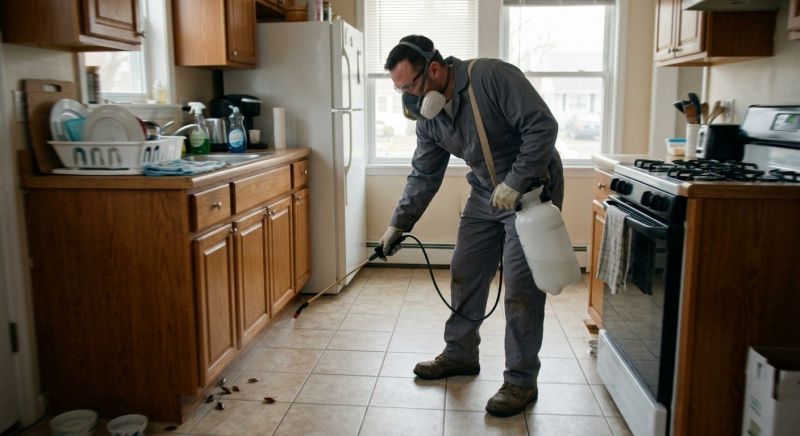
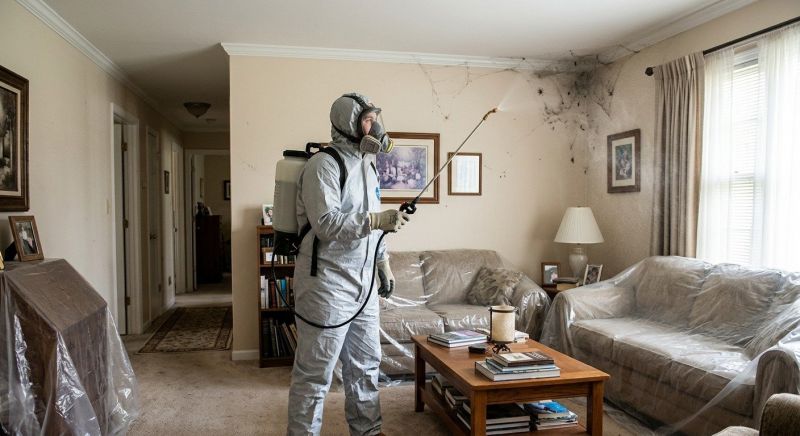
Roach fumigation services involve the targeted application of treatments designed to eliminate roach infestations within residential properties. This service covers a variety of project types, including single-family homes, apartments, and multi-unit buildings, where homeowners notice signs of roach activity or want to prevent future issues. Property owners typically seek information about the scope of treatment, potential removal methods, and what to expect during and after the process to ensure the safety of residents and the effectiveness of the fumigation.
Before requesting roach fumigation, property owners usually want to understand the extent of the infestation, the areas that will be treated, and any necessary preparations or precautions. Clarifying these details helps ensure the treatment is thorough and minimizes disruption. It is also common to inquire about follow-up procedures or integrated pest management options to maintain a roach-free environment over time.
Many property owners in Long Island, NY look into Roach Fumigation for repairs, replacements, upgrades, and appearance-related improvements.
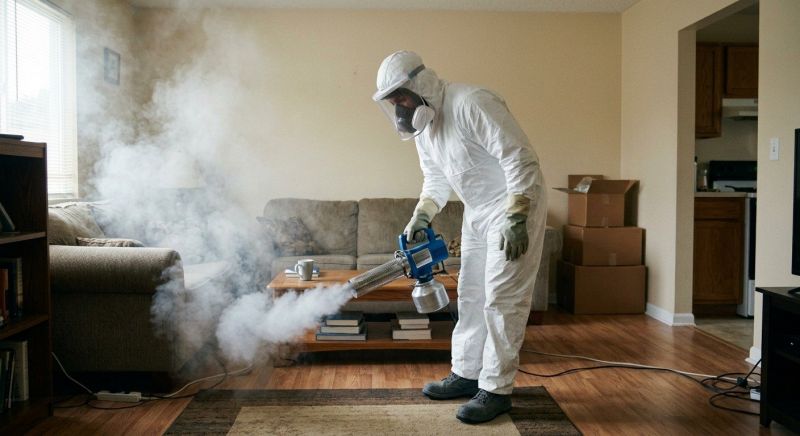
Roach Infestation Prevention
Fumigation services help eliminate existing roach populations and prevent future invasions in residential and commercial properties.
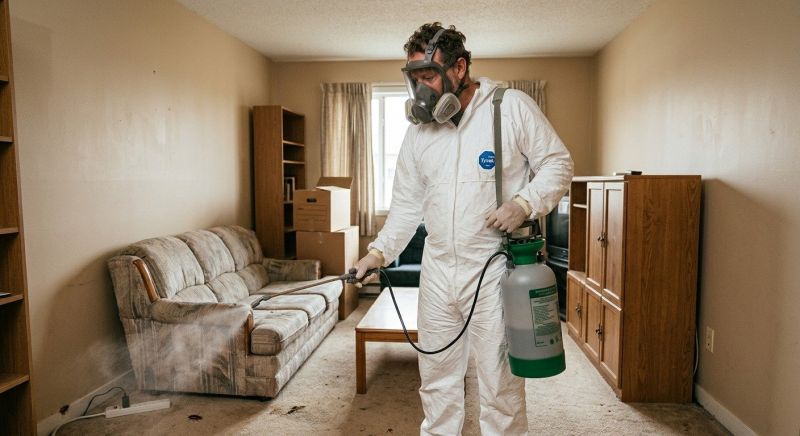
Effective Pest Control Solutions
Professional fumigation targets roaches at all life stages, ensuring thorough eradication for long island homes and businesses.
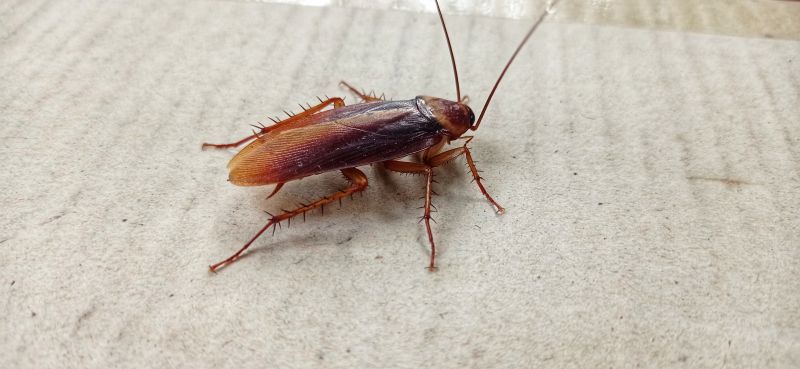
Residential And Commercial Treatments
Services are suitable for a variety of property types, including kitchens, basements, warehouses, and retail spaces in the area.
Roach Fumigation in Long Island, NY

Roach fumigation services involve the targeted application of treatments designed to eliminate roach infestations within residential properties. This service covers a variety of project types, including single-family homes, apartments, and multi-unit buildings, where homeowners notice signs of roach activity or want to prevent future issues. Property owners typically seek information about the scope of treatment, potential removal methods, and what to expect during and after the process to ensure the safety of residents and the effectiveness of the fumigation.
Before requesting roach fumigation, property owners usually want to understand the extent of the infestation, the areas that will be treated, and any necessary preparations or precautions. Clarifying these details helps ensure the treatment is thorough and minimizes disruption. It is also common to inquire about follow-up procedures or integrated pest management options to maintain a roach-free environment over time.
Many property owners in Long Island, NY look into Roach Fumigation for repairs, replacements, upgrades, and appearance-related improvements.
Common Roach Fumigation Jobs
Roach Fumigation - targeted treatments to eliminate roaches from residential properties.
Infestation Inspection - thorough assessments to identify roach activity and nesting areas.
Residual Fumigation - application of long-lasting insecticides to prevent future roach problems.
Spot Treatments - localized solutions for specific areas with high roach activity.
Preventative Services - strategies to reduce the likelihood of recurring infestations.
Ongoing Monitoring - regular inspections to ensure roaches do not return.
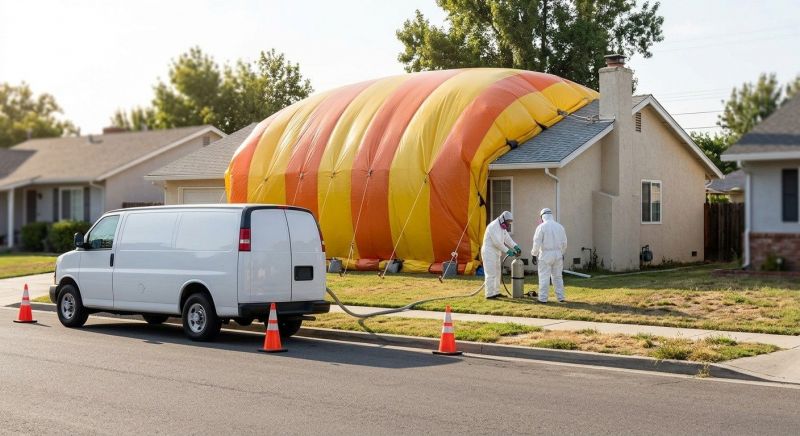
Roach Fumigation Questions
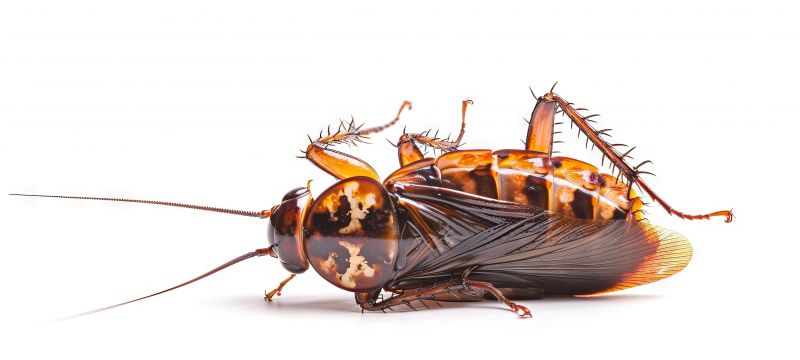
What are signs of a roach infestation? Common signs include droppings, shed skins, musty odors, and sighting live or dead roaches around the property.
How does roach fumigation work? Fumigation involves applying targeted treatments to eliminate roaches and their eggs from affected areas.
Are multiple treatments usually needed? Depending on the severity of the infestation, additional treatments may be recommended to ensure complete eradication.
What areas are typically treated during fumigation? Commonly treated areas include kitchens, bathrooms, cracks, crevices, and other hiding spots where roaches may reside.
Request Roach Fumigation in Long Island, NY
Use the quote form on this page to share the basics of your project and request more information for the type of work you need.